
5 Layout Details I Often Spot When Reviewing Renovation Plans
By the time plans are in place and builder pricing is underway, many homeowners feel they are getting close to the exciting part of their renovation.
The structure of the home has been carefully designed and the project is starting to feel real.
But this stage can also be a valuable moment to step back and look closely at how the space will actually work once it’s lived in… with furniture, storage and everyday life considered.
Plans and well-developed ideas are very good at showing the structure of a home, but they don’t always reveal how rooms will function day to day.
When reviewing renovation plans with homeowners, I often notice a few practical details that are worth thinking through before building begins.
None of these are major issues. In fact, plans are often very good.
But small adjustments at this stage can make a meaningful difference to how comfortable and usable the finished home feels.
Here are five details I frequently review with homeowners.

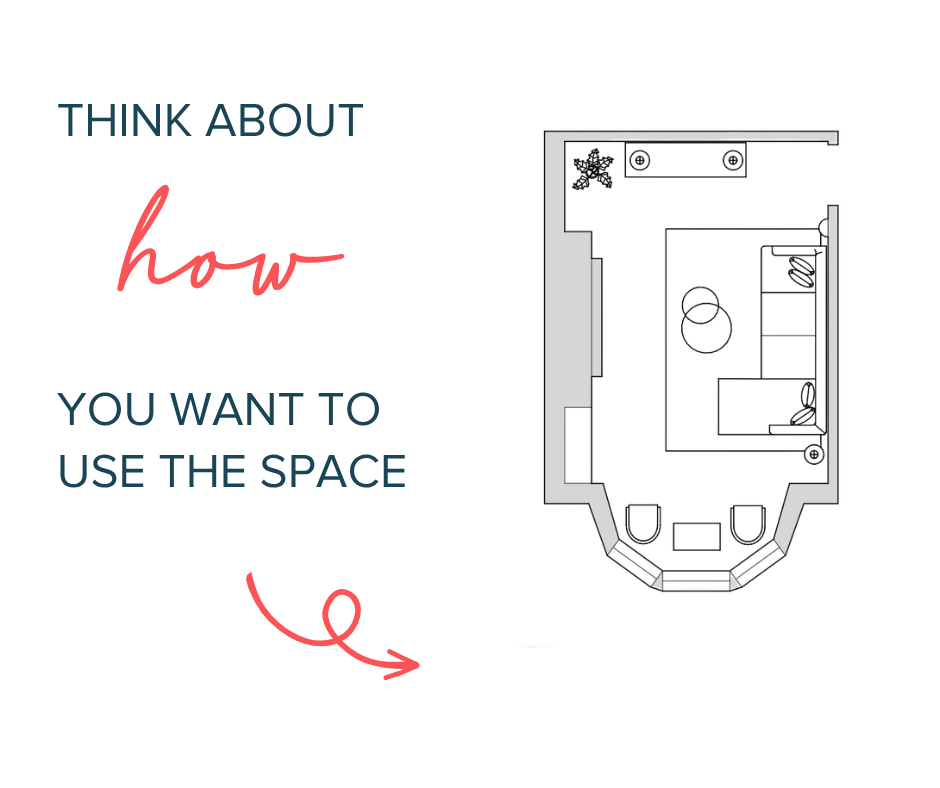
Family living room with room for everyday life and space to add chairs for guests and entertaining.
1. Living rooms that are too small to comfortably entertain
Many renovation plans technically fit a sofa and a coffee table. On paper, the room works.
But once you begin thinking about real life (hosting family, having friends over, or simply sitting together comfortably) the room can quickly start to feel tight or unusable.
A common situation is a living room designed for:
one sofa
one chair
a coffee table
But no flexibility for additional seating without making the space feel crowded.
When reviewing this, I often look at:
whether the room could comfortably seat one additional family
whether circulation around furniture still feels natural
whether there is flexibility to rearrange the space over time
Small layout adjustments at this stage can make a big difference to how welcoming the room feels.
2. No clear place for a television
This comes up more often than you might expect.
Plans may include beautiful windows, fireplaces or open walls, but don’t always make it obvious where a television can comfortably sit (or hide).
Once furniture is placed, homeowners sometimes realise there isn’t an easy solution without:
blocking a window
competing with the fireplace
or forcing awkward furniture placement
Even if the television isn’t the focal point, it still needs to be considered early so the room works naturally.

Living room designed around the furnishings and a log-burning focal point, with this TV cabinet positioned out of the main view while still remaining beautiful, useful and functional.
3. Doors that limit how a room can be used
Door placement can have a surprisingly large impact on how usable a room becomes.
On a plan, door positions often look logical. But in reality, they can interrupt key wall space needed for furniture or storage.
For example:
doors opening into useful wall space
doors landing in the middle of circulation routes
multiple doors reducing layout flexibility
When several doors meet in one area it can significantly limit how the room can be arranged.
In many cases, small adjustments to door placement can greatly improve how the space functions.
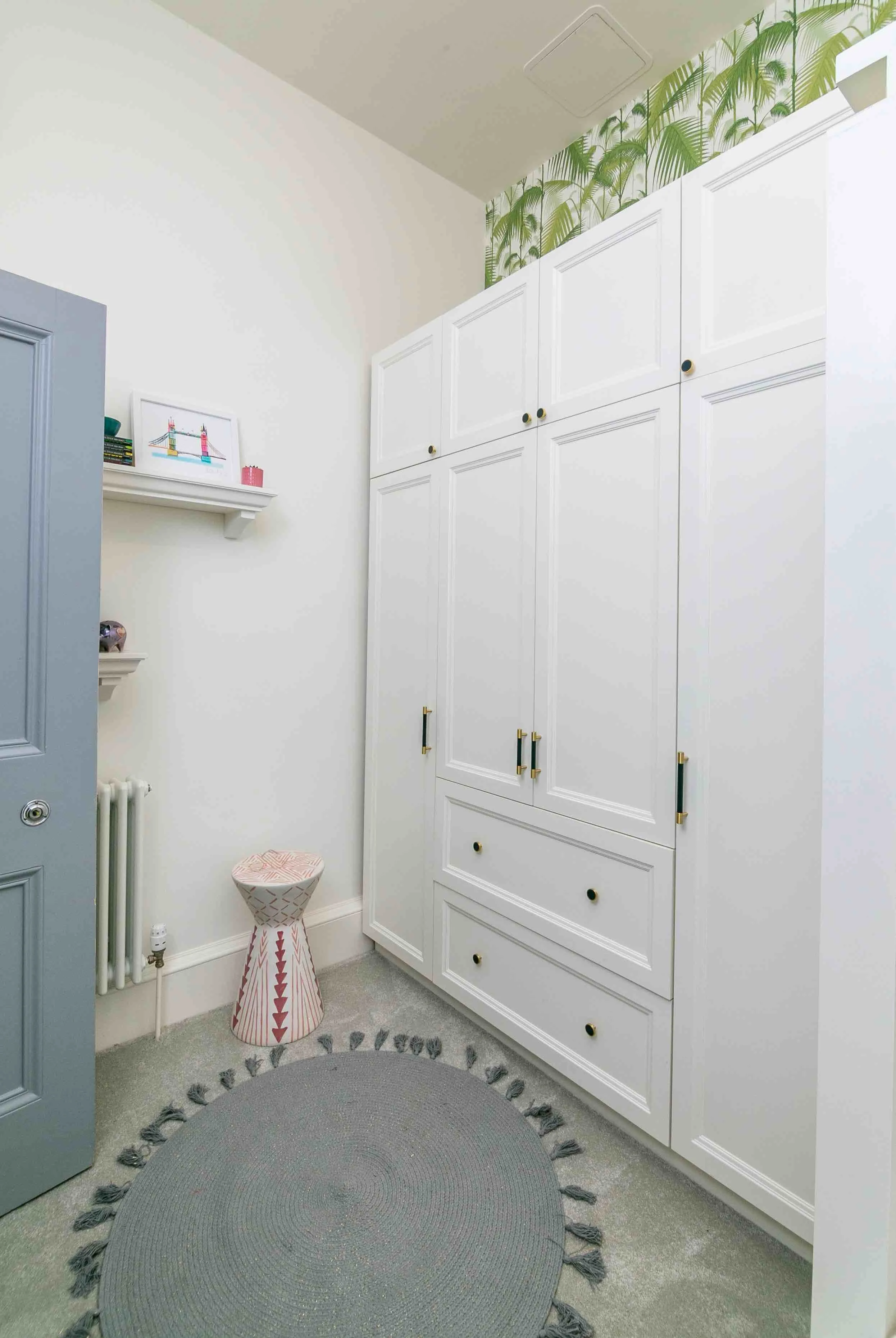
Shifting a door slightly allowed us to build more storage in this bedroom make better use of the narrow space.
4. Storage that hasn’t yet been fully considered
Storage is one of the most common details to be underdeveloped at this stage.
Plans tend to focus on room sizes and structure, but they don’t always reflect how much storage is needed for daily life.
It’s worth asking:
where everyday items will actually live
whether bedrooms comfortably accommodate wardrobes
whether there is storage near entrances for coats and shoes
whether family areas have enough practical storage
Without thinking this through early, storage often gets added later when layout options are more limited.
5. Bathroom and kitchen layouts that don’t quite support the features homeowners hope for
Bathroom and kitchen layouts from a builder or architect often include the basics.
At this stage, the layout is often based on a functional version of the room, while homeowners may later imagine a more generous or refined space.
When it comes time to choose bathroom fixtures or kitchen cabinets, this is often when the mismatch becomes clear.
For example in a bathroom:
the shower space may feel smaller than expected
the bathroom may not comfortably accommodate a freestanding bath option
there may not be enough wall space for a double vanity
And in a kitchen:
the sink may be smaller than expected
the room openings may not allow for all of the closed storage you need
there may not be enough space for a seating area
This doesn’t mean the layout is wrong, it simply reflects the different stages of the process.
Reviewing the space with real dimensions and your everyday needs in mind helps ensure the room can support the features you actually want.
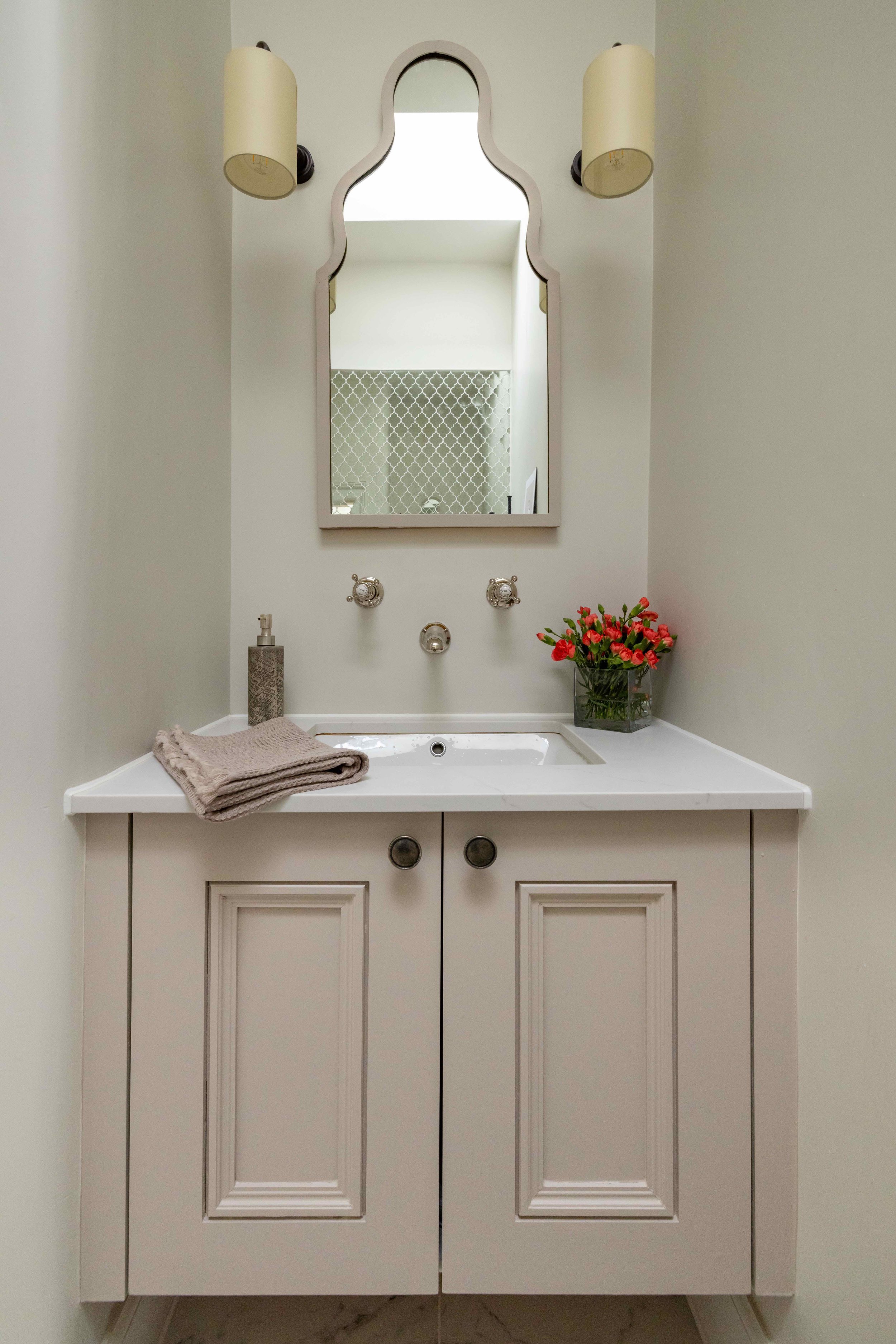
Using a small nook in the bathroom area to create a basin with storage instead of the proposed toilet area which left little room for a basin elsewhere.
Why these details matter?
Over the years I’ve worked alongside homeowners, architects and builders on renovation projects.
One thing I’ve learned is that plans can look excellent on paper, but the true test of a layout is how comfortably the home supports everyday life once it’s lived in.
Taking time to review these details before building begins can make a meaningful difference to how the finished home feels.
Planning a renovation?
Many homeowners reach a stage where plans are in place and builder pricing is underway, but practical layout details haven’t yet been fully reviewed.
If you’d value an experienced second perspective before building begins, you’re welcome to schedule a short call to discuss your project.
